
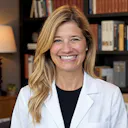
 Heather Hofflich, DO

The best menopause specialist is one who has menopause-specific training and clinical experience, plus creates an individualized care plan tailored to your symptoms, health, and goals. This specialist should discuss a range of treatments with you, including hormonal and non-hormonal options and lifestyle changes.
What Is a Menopause Specialist?
A menopause specialist (like one at Midi Health) is a clinician who has focused interest and training in perimenopause, menopause, and postmenopause care, with a focus on the whole-body effects of hormonal change.
A menopause clinician may be an:
- ob-gyn or primary care physician (MD or DO)
- nurse practitioner (DNP, NP, ANP, ARNP, CRNP, FNP, or WHNP)
- nurse midwife (CNM)
- nurse (APRN, RN, or RNC)
- physician assistant (PA)
- naturopathic doctor (ND)
- endocrinologist (MD or DO)
Ideally, a menopause specialist also holds menopause-specific credentials, such as being a menopause-certified practitioner, or they regularly complete additional menopause training.
True Stories Of Transformation
When to See a Specialist in Menopause
Every woman goes through menopause, a critical life stage that sets the tone for her future health.
Not every woman will have menopause symptoms. But if you are experiencing symptoms—such as hot flashes, night sweats, mood changes, brain fog, or low libido—that disrupt your sleep, work, relationships, or quality of life, it’s time to seek care.
In addition, if you have gone through early or premature menopause or have a complex medical history, finding a menopause specialist will give you proactive, curated care that can help you feel your best—and safeguard your future health.
What Makes Someone the Best Menopause Specialist for You?
The best menopause specialist for you is a clinician who:
- listens intently to your symptoms
- takes your experience seriously
- works with you in a partnership to develop a menopause care plan that includes a range of treatment options, a clear follow-up schedule, and care coordination with your other medical professionals
According to research published in 2025 many women feel dismissed, unsupported, or uncomfortable discussing menopause symptoms with their clinicians—but it doesn’t have to be that way.

Ob-Gyn Specializing in Menopause vs. Hormone Specialist vs. Menopause Clinic
In general, the best fit is based on your main or most bothersome or severe symptoms. Here’s what to consider:
- An ob-gyn specializing in menopause may be best for heavy or irregular bleeding, certain genitourinary concerns, pelvic health, and other screenings.
- A hormone specialist may be best for discussing the pros and cons of hormone therapy, as well as how non-hormonal options fit in.
- A primary care clinician with menopause training may be best for whole-health prevention guidance and chronic condition management.
- A virtual menopause clinic may be best for convenient access to focused midlife care without long waiting lists or travel time.
How to Choose the Best Menopause Specialist
What a Good Menopause Visit Should Include
Once you book a menopause visit, your clinician should talk to you…about you. They should ask detailed questions about your symptoms, your full health history, and your personal goals.
They should be able to listen well. You shouldn’t feel dismissed or ignored, and you should end the visit with clear next steps, including a scheduled follow-up visit.
Testing, Diagnosis, and When Labs Matter
Perimenopause is a life stage that’s diagnosed based on multiple factors, including your age, menstrual cycle history, and symptoms.
Lab testing isn’t needed for a diagnosis, though it can help identify common midlife events and health concerns that aren’t caused by hormonal changes in menopause, such as thyroid dysfunction, anemia, and pregnancy (which can have similar symptoms as menopause).
In addition, the hormonal changes in menopause increase the risk of chronic diseases starting in midlife, such as osteoporosis, diabetes, and heart disease. Getting the appropriate screening tests to keep tabs on your blood pressure, cholesterol, blood sugar, and bone density is important.
Treatment Options a Menopause Specialist May Discuss
When it comes to perimenopause and menopause treatments, women have so many options to choose from. Work with your clinician to create your own menopausal treatment plan, which may include:
- hormone therapy
- non-hormonal prescription medication
- contraception (during perimenopause)
- lifestyle habit development for sleep, exercise, nutrition, and stress
- referrals to specialists for pelvic floor therapy, mental health care, or other care
How Midi Helps You Find Menopause-Focused Care
Long wait times, inconvenient appointments, and stigma around this life stage often keep women out of clinician offices. In contrast, a virtual visit through Midi connects you to a qualified clinician who is trained in perimenopause and menopause care and midlife health.
With Midi, you’ll receive a personalized Care Plan, clinically appropriate treatment, support for quality-of-life factors like sleep and stress, follow-up care, and communication between your healthcare professionals.

Signs That You May Need a Different Menopause Professional
Look for a different menopause professional if, at any time, you feel dismissed, pushed into a one-size-fits-all protocol, asked to purchase products that aren’t suitable for you, or have not received a follow-up plan from your menopause specialist.
Here at Midi, our goal is to ensure that everyone finds the care that they need and are comfortable with—care that makes their lives better.
Ultimately, you should feel heard and understood, and your entire health—body and mind—should be at the forefront of your care.
Frequently Asked Questions (FAQs)
Is a menopause specialist better than a regular ob-gyn?
Not necessarily; both can have the expertise to care for women in menopause.
Can I see a menopause specialist online?
Yes! Virtual menopause clinics offer convenient, comfortable access to focused midlife care without long waiting lists.
What should I prepare before my first menopause visit?
Before your first menopause visit, put together a list of your symptoms, health conditions, medications and supplements, questions you have about menopause treatment, and what you want your long-term care plan to look like.
Can a menopause specialist help if I can’t take hormones?
Absolutely. Many different types of menopause treatment exist, including non-hormonal prescription medications, supplements and botanicals, lifestyle coaching, and more.
Should I keep my primary care clinician while seeing a menopause specialist?
Yes. Your primary care clinician will manage any chronic health conditions, current medications, and preventive health screenings you need.
If you’re in perimenopause or menopause and want guidance from clinicians who specialize in women’s midlife health, book a virtual visit with Midi today.
Hormonal change is at the root of dozens of symptoms women experience in the years before and after their period stops.
Our trained menopause specialists can help you connect the dots to guide you towards safe, effective solutions.
Whether you need personalized guidance or a prescription routine to tackle symptoms—including brain fog, hot flashes, sleep trouble, mood swings, and weight gain—we’ve got you covered. Learn more here.
Midi’s mission is to revolutionize healthcare for women at midlife, wherever they live and whatever their health story. We believe that starts with education, to help all of us understand our always-changing bodies and health needs. Our core values guide everything we do, including standards that ensure the quality and trustworthiness of our content and editorial processes. We’re committed to providing information that is up-to-date, accurate, and relies on evidence-based research and peer-reviewed journals. For more details on our editorial process, see here.