71%
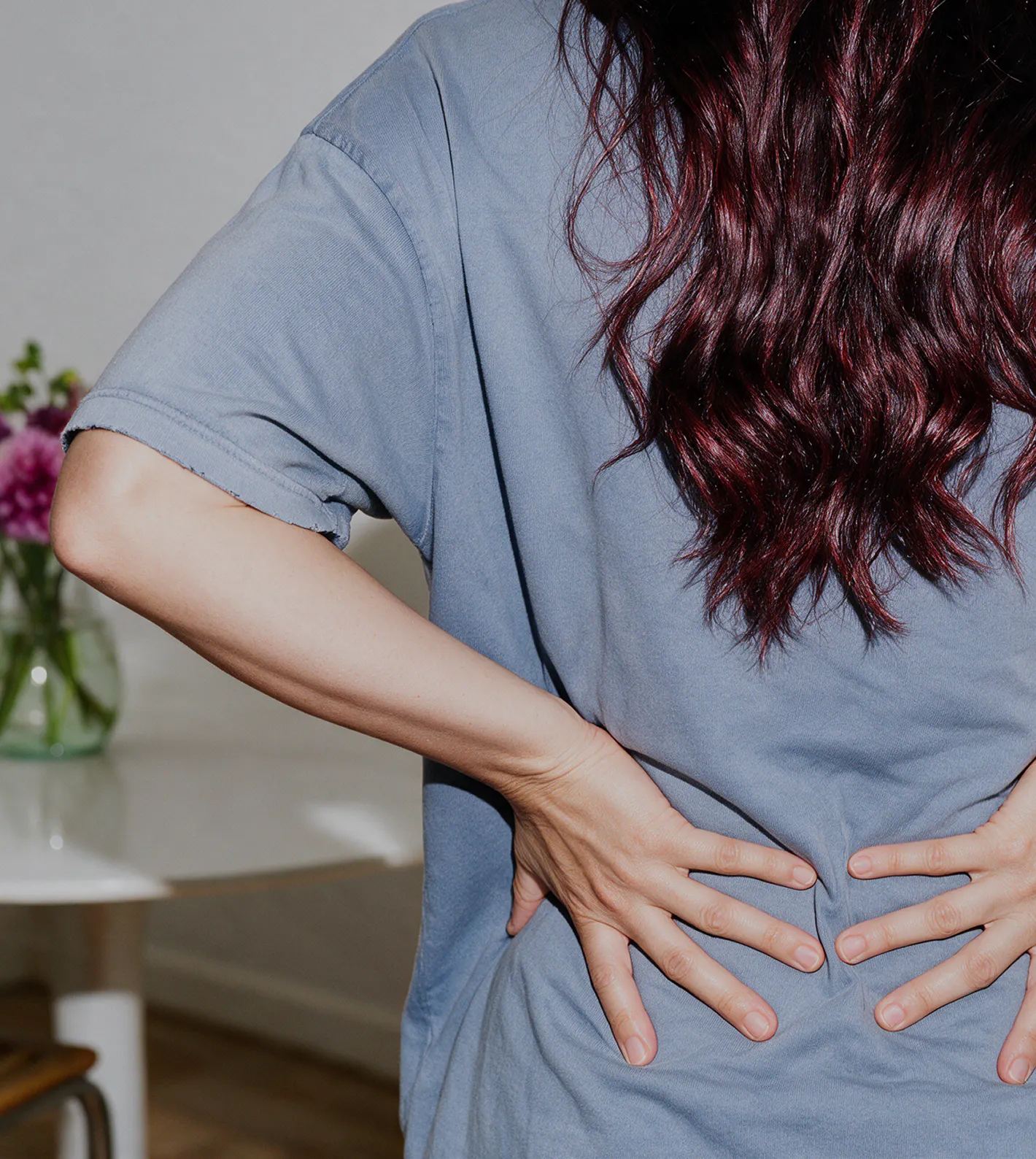
of perimenopausal women suffer from musculoskeletal pain (muscles, joints, and bones).3
of perimenopausal women suffer from musculoskeletal pain (muscles, joints, and bones).3

of perimenopausal women suffer from musculoskeletal pain (muscles, joints, and bones).3
Estrogen and progesterone play a role in the health of your joints, muscles, bones, and connective tissue.
Midi clinicians support you from every angle. They start by listening — then draw on the options below to build the right plan for you.

Labs & testing
Labs & testing
Your clinician may recommend targeted testing based on your symptoms and risk factors — including bone-density screening, vitamin D and thyroid testing, and labs to investigate inflammation or nutritional deficiencies.
More to explore:
How exercise can improve bone health
Lifestyle coaching & support
Lifestyle coaching & support
Your Care Plan may include personalized guidance for strength training, mobility, balance, nutrition, and recovery. We can refer you to a physical therapist or specialist if necessary.
More to explore:
How women can gain muscle after 50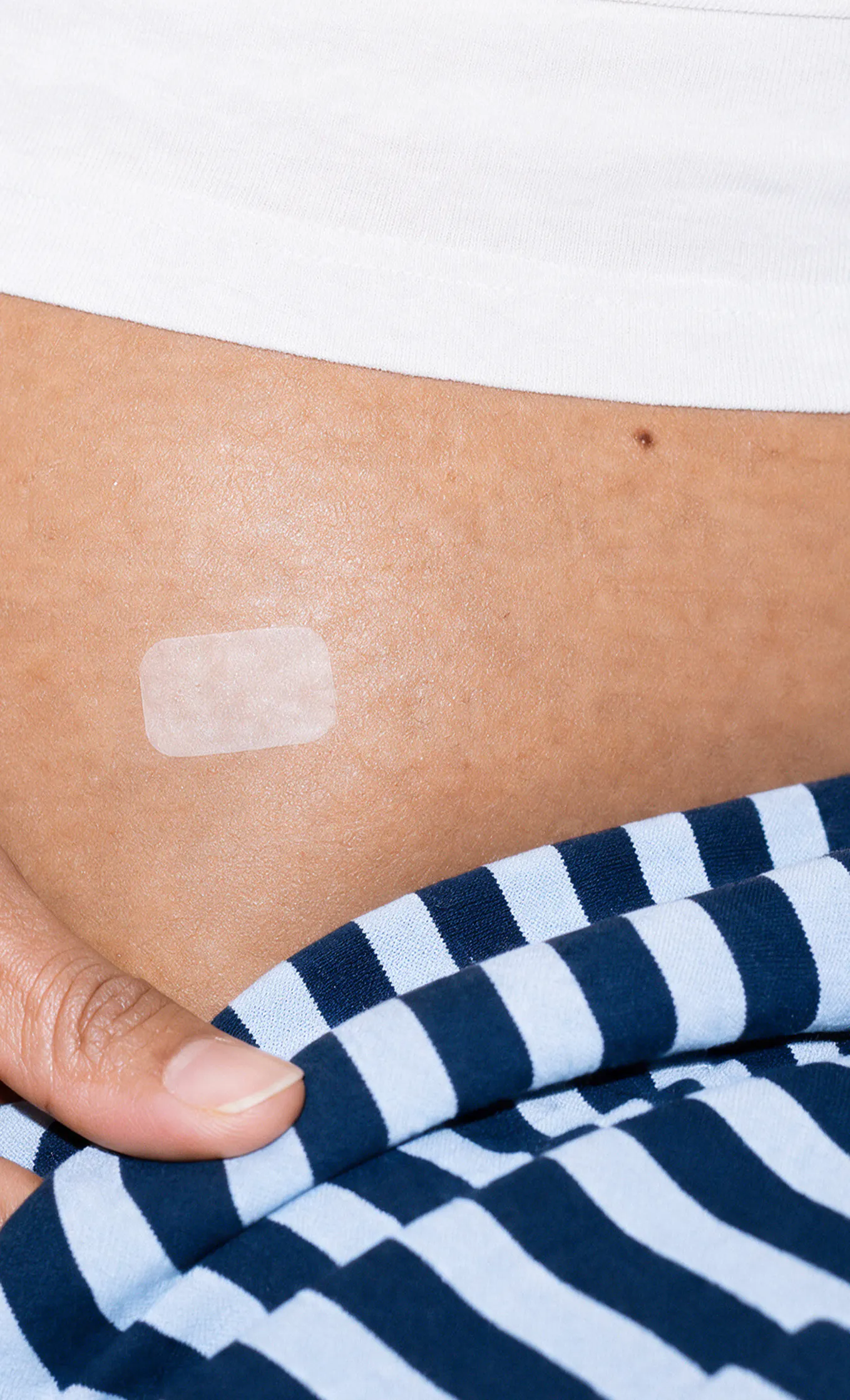
Hormone prescriptions
Hormone prescriptions
If it’s right for you, estrogen hormone replacement therapy (HRT) can support bone density and other symptoms. Estrogen is available in patches, pills, creams, sprays, and gels.
More to explore:
What is HRT?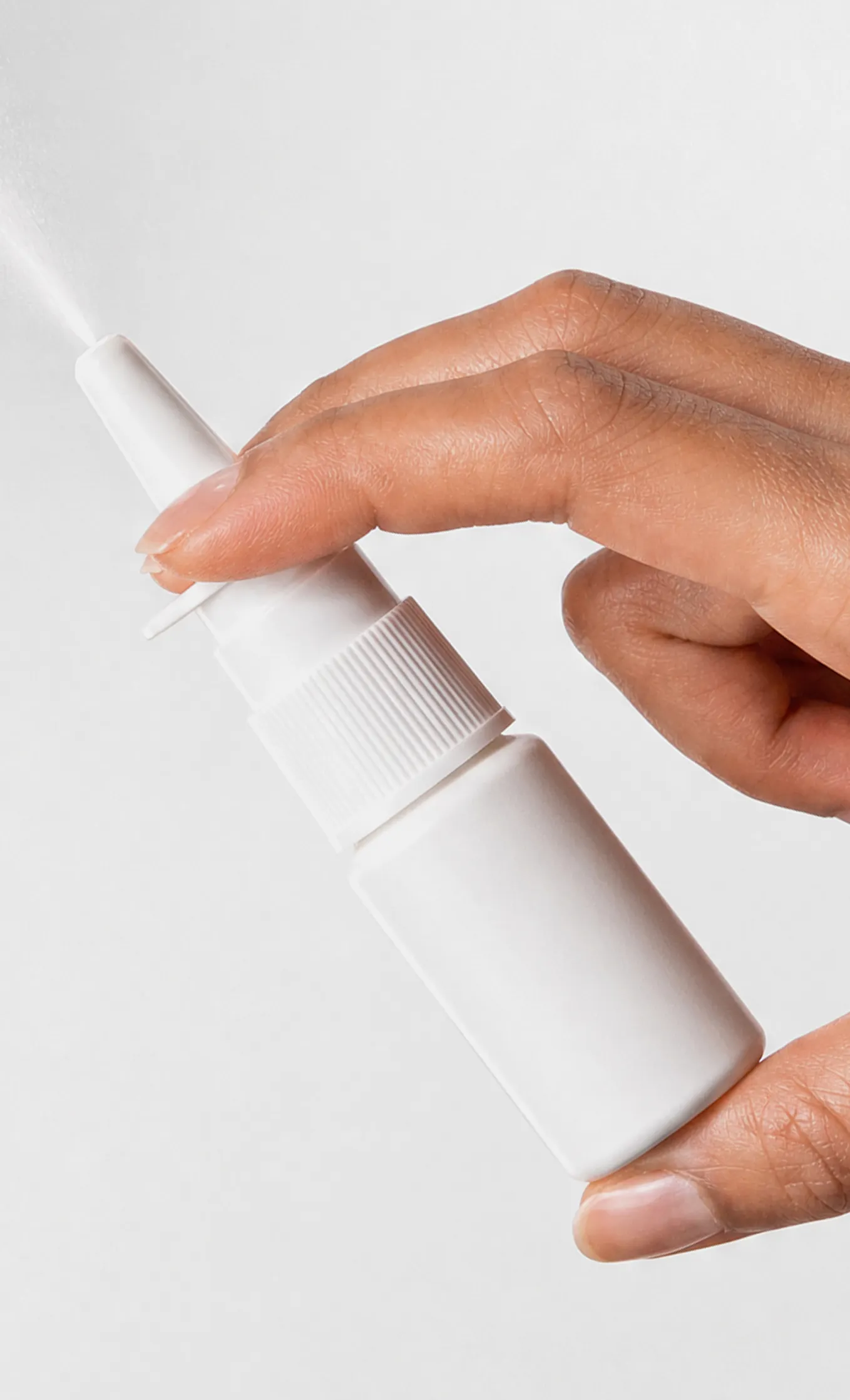
Non-hormone prescriptions
Non-hormone prescriptions
Our clinician may discuss anti-inflammatory medication like Low Dose Naltrexone, pain management options, bone-supporting treatment, or a referral for imaging or specialist care.
Supplement integration
Supplement integration
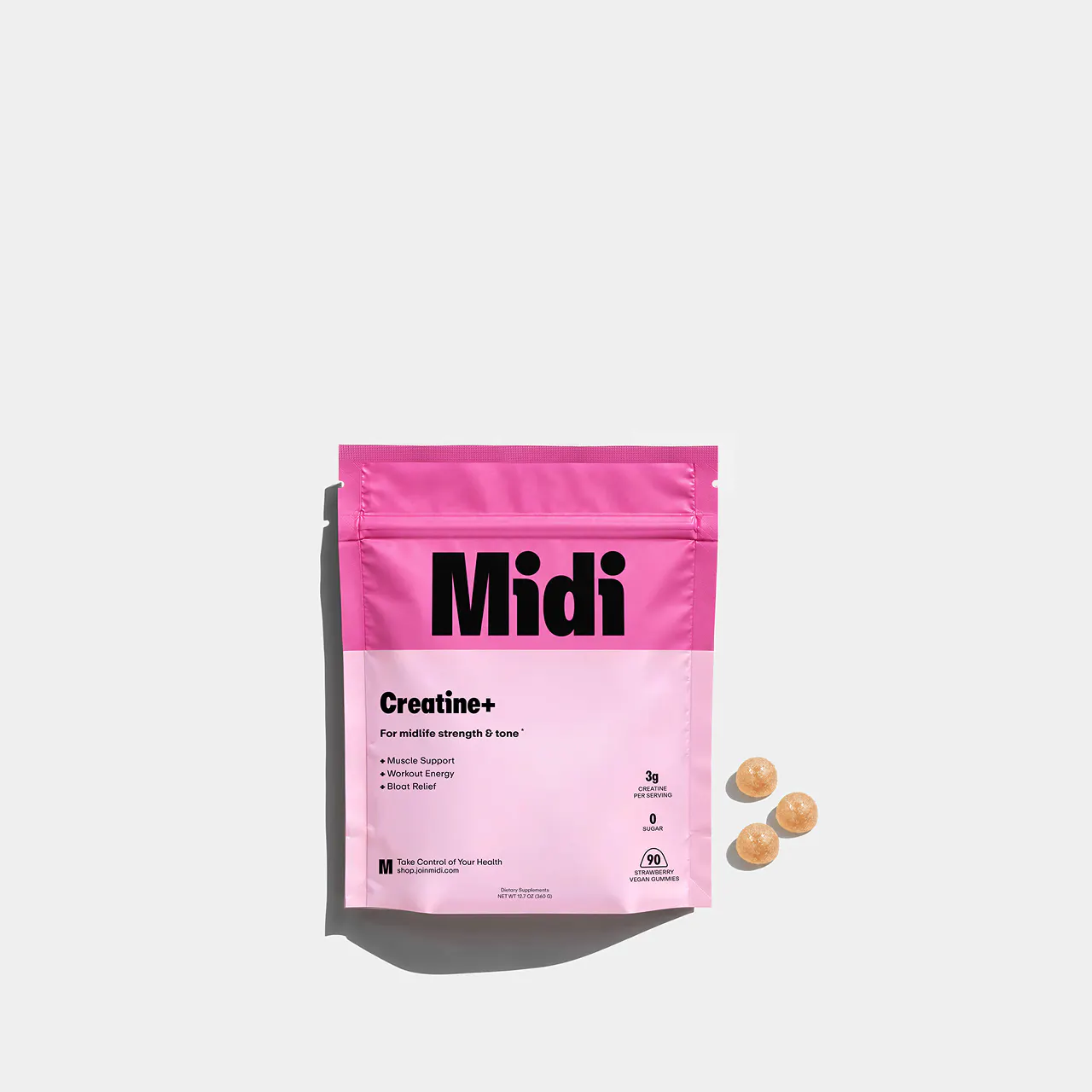
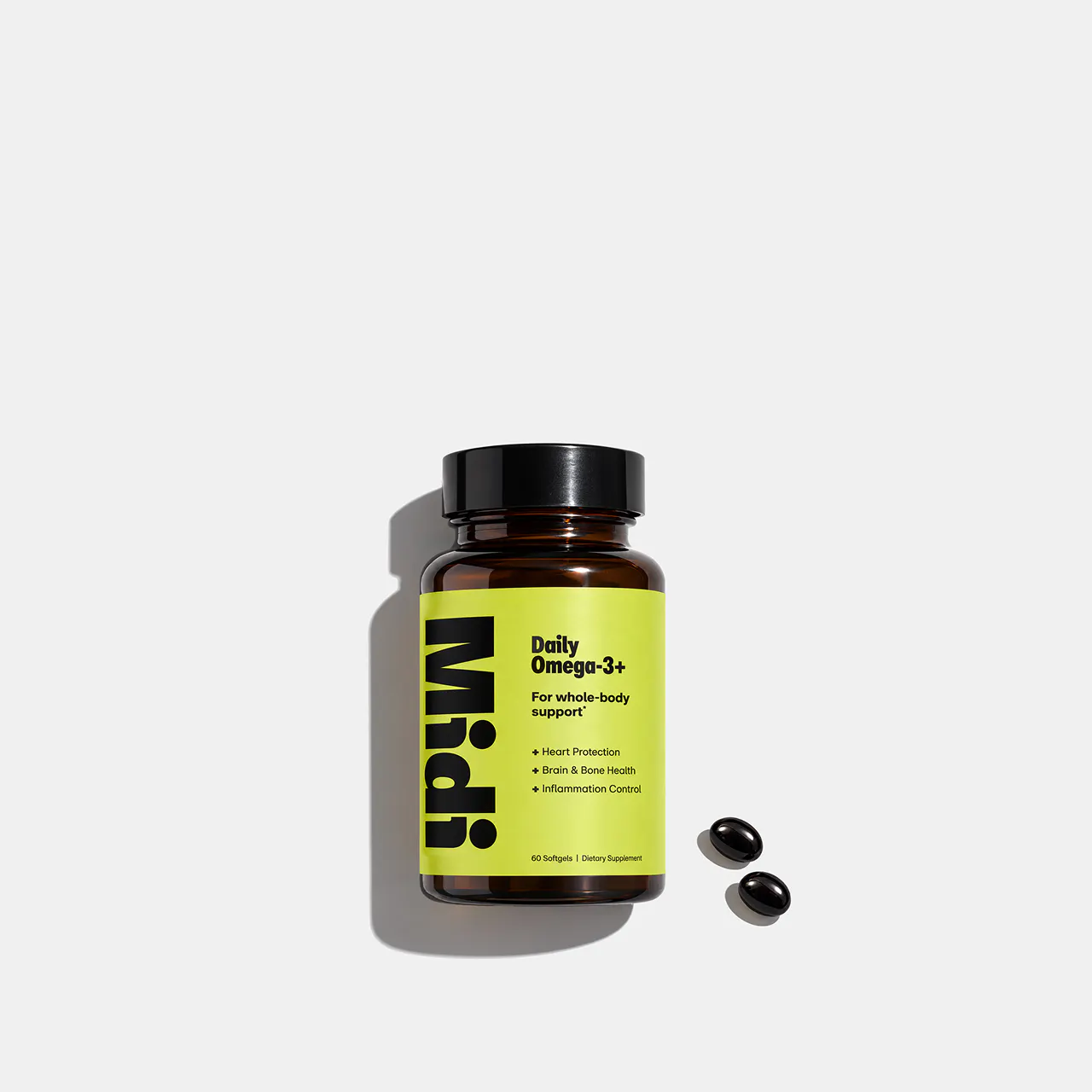
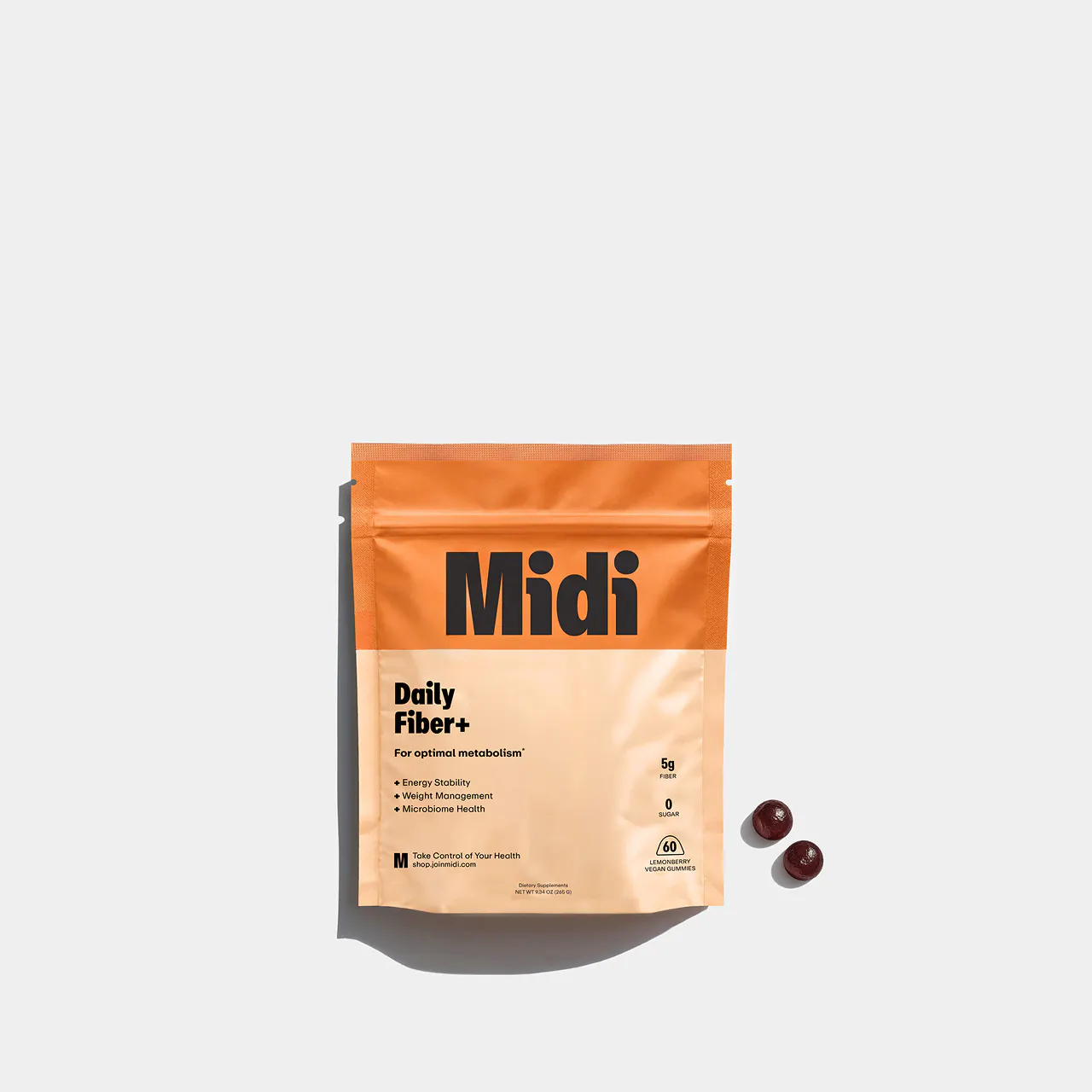
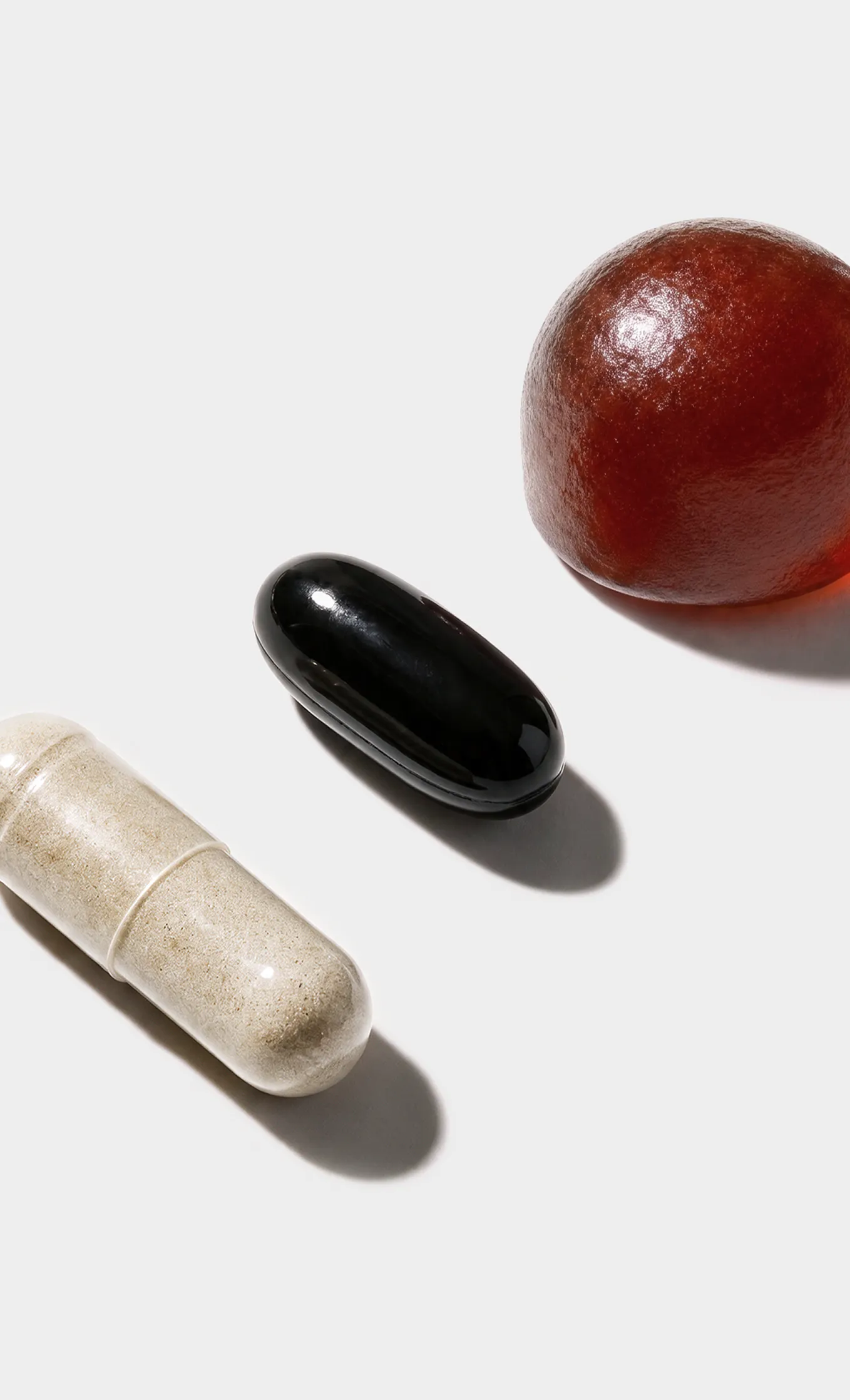
Based on your health, diet, medications, and test results, your clinician may recommend supplements such as:
More to explore:
Shop Midi products
I had very inflamed joints. Just sitting and getting up was excruciating. I now have my life back and don’t have pain.

My pain was so intense — putting my feet on the floor felt like glass shattering. Midi gave me validation and answers.

I came to Midi with migraines, frozen shoulder, hip pain, fear of driving, and hot flashes. Now they’re all gone.

I started regaining muscle tone and strength again, which helped me feel active, capable, and confident in my body.

Midi gave me the knowledge and understanding to debunk myths about menopause, talk about it, and get the help I deserve.

From fragmented care to integrated care — that’s the difference between managing decline and changing trajectory.

My doctor said I was 'just a tired mom' at 38. Midi listened, diagnosed perimenopause, and gave me real answers.

Midi didn't just look at numbers — they listened to my symptoms, validated my experience, and created a treatment plan.

The changes went far beyond brain fog. My achy joints disappeared. My libido returned.





Clinically informed. Research-backed.
Menopause and joint pain: causes and treatment options
Jan 24, 2025
New aches and stiffness aren’t always “just aging.” Learn how hormone changes may affect your joints, and the treatment options that can help you move more comfortably.

How exercise can improve bone health
Jul 16, 2024
Your bones respond to movement at every age. See how weight-bearing, resistance, balance, and posture exercises can support bone density and long-term strength.
How women can gain muscle after 50
May 23, 2025
Building strength is possible at every stage. Learn how resistance training, protein, recovery, and creatine can work together to support muscle health.
1. Lu CB, Liu PF, Zhou YS, Meng P, Zhang YQ. Musculoskeletal Pain during the Menopausal Transition: A Systematic Review and Meta-Analysis. Neural Plasticity. 2020.
2. Midi is in-network with most major insurance providers nationwide, but coverage depends on your specific plan — deductibles, coinsurance, and copays vary and may still apply. Check your plan for details specific to you. Self-pay options are also available.
3. According to a 2020 meta-analysis of 16 studies, 71% of women in perimenopause reported experiencing musculoskeletal pain. Source: https://onlinelibrary.wiley.com/doi/full/10.1155/2020/8842110; Musculoskeletal Pain during the Menopausal Transition: A Systematic Review and Meta-Analysis
Chang-bo Lu, Peng-fei Liu, Yong-sheng Zhou, Fan-cheng Meng, Tian-yun Qiao, Xiao-jiang Yang, Xu-yang Li, Qian Xue, Hui Xu, Ya Liu, Yong Han, Yang Zhang
*These real patients became Midi Ambassadors and may receive free products and/or swag. Individual results may vary.
Midi accepts most major health plans. Book a virtual visit and start feeling more comfortable and confident in your body.