 Heather Hofflich, DO
If you recently finished a meal only to realize you were drenched in sweat, your skin was burning up, and your heart was racing through your shirt, you were probably experiencing a hot flash after eating—a common but annoying menopause symptom. Experts are still learning why, exactly, hot flashes can strike some midlife women after eating, though early research suggests this symptom may actually be more likely between meals. You can book a visit to talk with a clinician at Midi Health, who can help you better understand your triggers (certain foods may make hot flashes worse, for example), as well as create a tailored plan for hot flash relief.
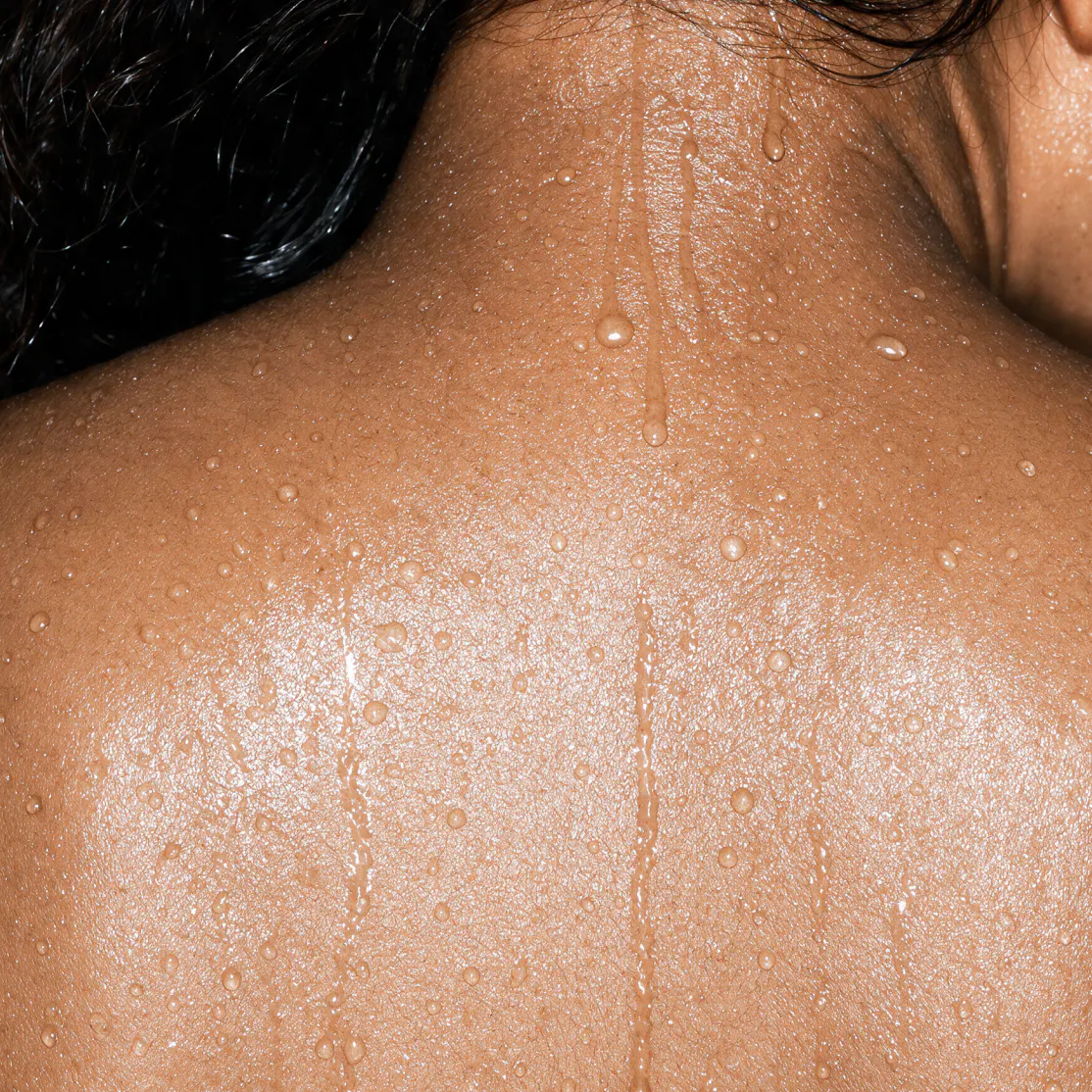
If you’re a woman in your 40s or beyond, hot flashes after eating may be one of many frustrating symptoms you’re experiencing during perimenopause or menopause. You may have the sensation of warm skin, drenching sweat, a flushed face, and a racing heartbeat after finishing a meal—all normal (yet incredibly annoying) hot flash features.
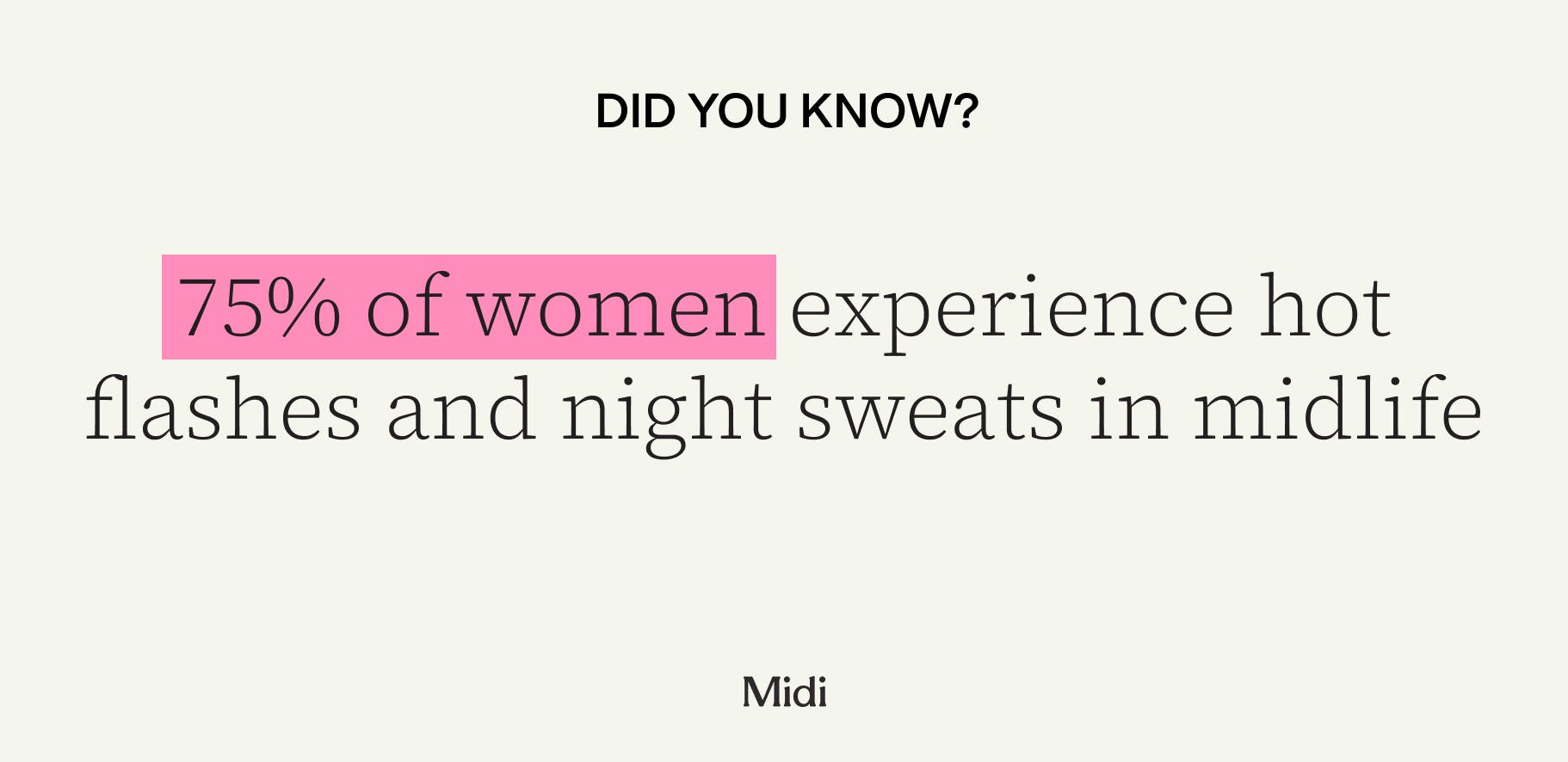
Three-quarters of menopausal women in the United States get hot flashes, which are likely caused by changes in the body’s ability to regulate temperature as a result of lower estrogen levels. Even though these body temperature spikes aren’t harmful, they can be disruptive: Along with other menopause symptoms like fatigue and vaginal discomfort, hot flashes can affect daily life, including mood, sleep, productivity, and more.
The mechanisms behind hot flashes that specifically occur after meals aren’t fully understood, but it’s thought that changes in blood sugar levels and certain food triggers play a role. Read on for more, including what causes these sudden bursts of heat, known foods that trigger hot flashes and night sweats, and what you can actually do to make them less frequent or severe.
What Are Hot Flashes After Eating?
A sudden burst of warm skin, drenching sweat, and flushing is known as a hot flash, a common but uncomfortable vasomotor menopause symptom that can begin in a woman’s 40s. (When these intense waves of heat occur during sleep, they’re called night sweats.) As for what causes hot flashes, declining estrogen levels are the main culprit, but they can also have a number of potential triggers, including certain medications, stress, your environment, and the food you eat.
You can experience hot flashes at any time of day, but it’s not uncommon to have hot flashes after eating. Different from a regular warm feeling, a true hot flash might present as sudden heat and sweating, redness on your face and neck, and a racing heart, and it might occur during or shortly after meals. A typical hot flash only lasts between 30 seconds and 5 minutes, but many midlife women find that hot flashes are severe enough to disrupt daily life.
Why Do I Get Hot Flashes After I Eat? The Main Causes
More studies on the exact mechanisms that cause hot flashes after eating are needed, but it’s thought that certain food and drink triggers play a role in causing body temperature spikes.
Interestingly, existing (but limited) research has actually found that hot flash frequency may be suppressed immediately after eating. In a small 2009 study, for example, researchers observed that hot flashes were more likely to occur between meals, when blood glucose levels in the body drop. An older study similarly found that a fasting state could cause hot flashes.
Still, many midlife women report experiencing hot flashes during or just after a meal, particularly if they’ve just consumed certain well-known triggers, like alcoholic beverages or caffeine. More recent research observed an association between fewer hot flashes and changes in diet and gut microbiome, suggesting that certain foods may offer protective benefits against hot flashes.

Foods and Drinks That Trigger Hot Flashes and Night Sweats
Everyone is different, but hot flashes when eating are frequently linked to some repeat food and beverage triggers. For you, that might include:
- Caffeine: This has been a long-suspected hot flash culprit, although research on its relationship to menopausal vasomotor symptoms has been mixed. Most recently, a 2015 study published in the journal Menopause conducted a questionnaire of 2,507 women and observed an association between hot flash frequency and caffeine intake. Some women also find that other warm drinks, like tea or hot chocolate, can kick-start a hot flash.
- Ultra-processed foods: These foods, which typically contain high amounts of chemical-based preservatives, emulsifiers, and sweeteners, have been linked to greater hot flash symptoms in a number of studies, such as one published in 2022 and another published in 2025. Since many sugary treats are highly processed, this might explain also why some women experience hot flashes after eating sugar.
- Spicy foods: These have less research behind them. Anecdotally, though, many women say that spicy foods cause them to flush and sweat, which may subsequently raise body temperature and worsen their vasomotor symptoms.
- Alcohol: This, too, isn’t as well-researched, but it is often observed by midlife women as setting off more frequent or intense hot flashes.
Again, everyone is different—keeping track of what you might have eaten before or during a hot flash in a food diary or note on your phone can help you better understand triggers specific to you.
Is Menopause Behind Your Hot Flashes? The Hormone Connection
Experts are still working to better understand why so many midlife women get hot flashes. But as with other menopause symptoms, fluctuating estrogen levels are likely to blame for these sudden bouts of heat and sweat. As hormone levels gradually drop, usually starting in a woman’s 40s, hot flashes typically begin—and for some women, they don’t improve until 10 years after menopause.
Researchers have observed that women with menopause symptoms such as hot flashes have smaller interthreshold temperature zones than those without symptoms. (This is the range between the temperature that makes you shiver and the temperature that makes you sweat.)
This may help explain why slight temperature increases—from, say, eating something spicy, taking a hot bath, or simply being overheated—might be felt more dramatically in the form of hot flash sensations. Estrogen has been found to widen that zone, helping ease hot flashes.
Other Causes to Rule Out
If you’re a woman in your 40s or beyond and experiencing sudden heat, sweating, flushing, and a racing heartbeat for around 30 seconds to 5 minutes, there’s a good chance that you’re having a typical hot flash of menopause.
Still, it’s wise to connect with your clinician—and not just because they can recommend treatment options. These symptoms can sometimes signal other conditions beyond hot flashes of menopause, and your clinician can confirm whether you’re having a true hot flash or if there’s another condition at play.
For example, viral infections and certain thyroid disorders may also cause hot flashes. People with diabetes might experience reactive hypoglycemia, when blood sugar drops after a meal, possibly causing sweating and shakiness. And some medications also have the side effect of making you feel hot, sweaty, and flushed, which you might mistake for a menopause hot flash.
Remember: You don’t have to stand back and suffer through hot flashes, and even mild symptoms are worth speaking about with a healthcare professional, like a Midi clinician. You should always get in touch with your clinician if your hot flashes are severely disrupting your daily life or your ability to sleep.

How to Prevent Hot Flashes After Eating
No one wants to finish a meal drenched in sweat. While you don’t have to eliminate every hot flash trigger food from your diet, limiting those that you know aggravate your symptoms may help keep body temperature spikes under control.
Lifestyle changes can make a difference too: Do your best to keep things cool (such as by using fans, dressing in layers, drinking cold beverages, and having cool compresses on hand), maintain a healthy weight, avoid smoking, and get regular exercise (ideally in a cool environment, if you can).
And while some food and beverages seem to trigger hot flashes, emerging evidence suggests that others have the opposite effect and may possibly even help fight hot flashes, such as:
- Soy products such as edamame, soy milk, and tofu: These foods contain isoflavones, a plant-based compound that may mimic estrogen. One study of 60 postmenopausal women found that those who substituted soy nuts for a non-soy protein 3 or 4 times per day experienced a decrease in hot flashes.
- Fruit: More research is needed, but observational data from more than 6,000 women in the Australian Longitudinal Study on Women's Health noted that a diet high in fruit was associated with lower vasomotor symptoms over a 9-year period.
- The Mediterranean diet: That same study observed a beneficial relationship between the women who followed a Mediterranean-style diet and decreased hot flashes. A Mediterranean diet emphasizes lots of fruits and vegetables, plant-based fats such as olive oil, lean protein, whole grains, and fish.
Treatment Options That Actually Help
Far too many midlife women don’t feel empowered to seek care for hot flashes and assume they’re just an inevitable part of menopause. But hot flashes don’t simply need to be endured—treatment options are available and can help make symptoms less frequent or severe, improving your quality of life as a result.
Treatment may include the following:
- Hormone replacement therapy (HRT, now commonly referred to as menopause hormone therapy, or MHT) has been found to be very effective in relieving vasomotor symptoms, particularly for women in the earlier stages of menopause. In one review, HRT reduced hot flash intensity and frequency by 80% to 90% in 1 month. Hormone therapy offers other benefits, too, such as stronger bones and an overall improved quality of life.
- Non-hormonal prescription medications like selective serotonin reuptake inhibitors (SSRIs) and elinzanetant may also reduce hot flash severity. These may be especially good options for women who can’t or prefer not to use HRT.
- You can also ask your clinician about over-the-counter options, although many of these don’t have as much research to back up their usefulness in managing hot flashes.
Working with a menopause-trained clinician, such as one at Midi, allows you to get a personalized treatment plan with medications that can help relieve vasomotor symptoms and are right for you.
True Stories Of Transformation
When to See a Clinician
Any questions or concerns about menopause symptoms are worth bringing up to your clinician, but far too few midlife women feel empowered to do so. A 2025 study from the Mayo Clinic found that even though menopause symptoms had a substantial effect on daily life, 80% of the midlife women surveyed did not seek help for them.
Hot flashes may be a typical menopause symptom, but there’s no reason to simply suffer through them. Prescription medications and other treatments are available to ease hot flashes and night sweats, and a healthcare professional, such as a Midi clinician, can work with you to review your symptoms and come up with a tailored treatment plan. It’s especially critical to reach out to your clinician if your hot flashes are disrupting your meals, sleep, or daily life.
If you’re in perimenopause or menopause and want guidance from clinicians who specialize in women’s midlife health, book a virtual visit with Midi today.
Hormonal change is at the root of dozens of symptoms women experience in the years before and after their period stops.
Our trained menopause specialists can help you connect the dots to guide you towards safe, effective solutions.
Whether you need personalized guidance or a prescription routine to tackle symptoms—including brain fog, hot flashes, sleep trouble, mood swings, and weight gain—we’ve got you covered. Learn more here.
Key Takeaways
- Hot flashes are a common menopause symptom, affecting three-fourths of menopausal women in the United States. If you’re having one, it might feel like your skin is burning, your face is flushing, you’re drenched in sweat, and you have a racing heartbeat.
- Many midlife women report hot flashes after eating. Although more research is needed, this is thought to be caused by dropping estrogen levels, which make it harder for the body to regulate temperature, as well as potential food triggers.
- Certain foods seem to make hot flashes after a meal more likely, although everyone’s specific triggers are different. Frequent culprits include caffeine, alcohol, ultraprocessed foods, and spicier fare.
- To prevent hot flashes after eating, your best bet is to dress in layers, choose cool beverages, avoid alcohol and other triggers, use fans, and take steps to manage stress.
- Treatments for hot flashes are out there, and you shouldn’t hesitate to ask your clinician about options available to you. These include prescription medications like HRT. Your clinician can come up with a personalized plan to help manage your symptoms so they’re less disruptive.
Frequently Asked Questions (FAQs)
Do people with diabetes get hot flashes after eating?
People with diabetes may experience something called reactive hypoglycemia, or low blood sugar, within 4 hours of a meal. Reactive hypoglycemia isn’t the same as a hot flash of menopause, but some of the symptoms—sweating, shaking, and a fast heartbeat—might seem very similar.
Can stress trigger hot flashes?
Yes, stress is thought to be a trigger for hot flashes. In one 2016 study, for example, midlife women with greater dysregulation of the stress hormone cortisol had more frequent hot flashes. People who have physical reactions to anxiety, like stomachaches, may also be more at risk of hot flashes, studies suggest.
What foods make hot flashes worse?
Triggers can differ, but many midlife women find that spicy foods, caffeine, and alcohol make their hot flashes worse. Ultraprocessed foods, meaning those that have been heavily modified with preservatives and sweeteners, have also been associated with more frequent hot flashes.
Why does my body feel hot after eating?
You might be having a hot flash, particularly if you’ve recently consumed known triggers like caffeine, spicy foods, or alcohol. But always reach out to your clinician, since certain viral infections or thyroid disorders can also cause you to feel hot after eating.
What deficiency causes hot flashes?
There isn’t a specific nutritional deficiency associated with hot flashes, but as estrogen decreases during perimenopause and menopause, many women start to experience these body temperature spikes more frequently. Some limited research also suggests that women with lower B12 levels have more frequent night sweats.
Midi’s mission is to revolutionize healthcare for women at midlife, wherever they live and whatever their health story. We believe that starts with education, to help all of us understand our always-changing bodies and health needs. Our core values guide everything we do, including standards that ensure the quality and trustworthiness of our content and editorial processes. We’re committed to providing information that is up-to-date, accurate, and relies on evidence-based research and peer-reviewed journals. For more details on our editorial process, see here.